Understanding Phobias
Understanding Phobias
Recognizing and overcoming excessive, persistent fears

Phobias are intense, irrational fears of specific objects or situations that significantly impact daily functioning. Affecting approximately 12% of adults globally, these anxiety disorders trigger disproportionate distress and avoidance. Evidence-based treatments, particularly cognitive-behavioral therapy and gradual exposure therapy, demonstrate high success rates in helping individuals reclaim their lives.

Ailurophobia (Fear of Cats)
Overcoming feline-related anxiety for comfortable social and home environments
Ailurophobia involves irrational fear of cats, causing distress in homes, neighborhood, or social settings with felines present. This often-misunderstood phobia can limit social opportunities and housing choices. Therapeutic approaches using gradual exposure, virtual reality cat scenarios, and education about cat behavior promote healing and comfort.

Astraphobia (Fear of Storms)
Finding calm amid thunder, lightning, and severe weather conditions today
Astraphobia triggers intense anxiety during thunderstorms, causing panic, hiding behaviors, and sleep disruption. Common in both children and adults, this weather-related phobia can be debilitating during storm seasons. Cognitive-behavioral strategies, virtual storm exposure therapy, and relaxation techniques help individuals manage storm anxiety and feel safer.

Trypanophobia (Fear of Needles)
Managing needle anxiety for better healthcare access and wellness outcomes
Trypanophobia causes extreme distress regarding injections or blood draws, potentially preventing essential medical care. Physical reactions include fainting, panic, or avoidance of healthcare. Relaxation techniques, VR medical procedure preparation, distraction methods, and gradual exposure help individuals overcome needle fears and maintain their health effectively.

Cynophobia (Fear of Dogs)
Healing from canine-related anxiety for a more comfortable lifestyle
Cynophobia involves intense fear of dogs, often stemming from traumatic encounters or learned behavior. This phobia can significantly restrict outdoor activities and social interactions. Systematic desensitization therapy, dog interactions in virtual reality, combined with understanding canine behavior, helps individuals build confidence and comfort around dogs progressively.
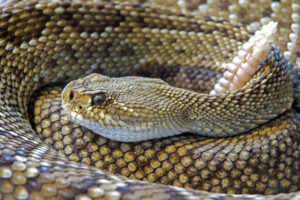
Ophidiophobia (Fear of Snakes)
Understanding and managing the deep-rooted fear of serpents effectively
Ophidiophobia, one of humanity’s oldest fears, causes extreme anxiety around snakes regardless of actual danger. This evolutionary response can limit outdoor activities and cause severe distress. Therapeutic interventions using gradual exposure, VR snake simulations, and education about snake behavior help individuals overcome this primal fear successfully.

Arachnophobia (Fear of Spiders)
Overcoming one of the world’s most common animal-related phobias today
Arachnophobia causes disproportionate fear and distress upon encountering spiders, even harmless ones. This widespread phobia can trigger avoidance behaviors affecting daily activities and home comfort. Gradual exposure therapy, spider encounters in virtual reality, and cognitive techniques help individuals develop rational perspectives and reduce spider-related anxiety significantly.
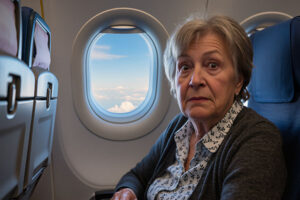
Aerophobia (Fear of Flying)
Conquering aviation anxiety for safer, more comfortable air travel experiences
Aerophobia affects millions, causing severe anxiety about air travel despite flying’s statistical safety. Symptoms include panic attacks, avoidance behavior, and physical distress. Evidence-based treatments including exposure therapy, virtual flight simulators, education about flight mechanics, and anxiety management techniques help individuals travel confidently and comfortably.

Claustrophobia (Fear of Confinement)
Managing anxiety in enclosed spaces like elevators and small rooms
Claustrophobia triggers intense distress in confined spaces such as elevators, tunnels, or small rooms. Physical symptoms include rapid heartbeat, sweating, and panic. Gradual desensitization therapy, virtual reality simulations, and relaxation techniques effectively reduce anxiety, allowing individuals to navigate enclosed environments with greater ease and comfort.

Agoraphobia (Fear of Open Spaces)
Addressing anxiety in crowded, public, or unfamiliar environments effectively
Agoraphobia involves overwhelming fear of situations where escape might be difficult, including crowds, public transport, or open spaces. Often linked to panic attacks, it can severely restrict daily life. Professional treatment combining therapy, VR immersion experiences, and coping strategies helps individuals regain independence and freedom.

Acrophobia (Fear of Heights)
Understanding and overcoming the fear of elevated places and situations
Acrophobia causes intense anxiety when at significant heights, even in safe environments like balconies or bridges. This common phobia can limit travel and activities. Cognitive-behavioral therapy, virtual reality exposure, and gradual exposure techniques using cutting edge immersive technology platforms effectively help individuals overcome height-related fears and regain confidence.